
Coconut fiber, also known as coir, presents unique handling challenges due to its low bulk density and high volume. This coconut fiber baler case study examines how LankaCoir Exports, a Sri Lankan coir processing company, transformed their operations using specialized coir fiber baling machine.
18 Maret,
Memahami Karakteristik Serat Kelapa
Peralatan yang Direkomendasikan untuk Pengolahan Serat Kelapa
- Serat kelapa memiliki karakteristik khas yang mempengaruhi proses dan penanganan: Kepadatan bulk rendah:
- 60-120 kg/m³ dalam bentuk longgar Serat menahan kompresi dan kembali ke bentuk semula
- Kandungan kelembapan: Biasanya 10-15% saat dikeringkan dengan benar
- Panjang serat: 50-300mm tergantung grade pengolahan
- Pembentukan debu: Partikel halus menimbulkan tantangan penanganan
- Minyak alami: Kandungan resin mempengaruhi karakteristik kompresi
Properti Fisik
Properti fisik ini menciptakan kesulitan operasional tertentu:
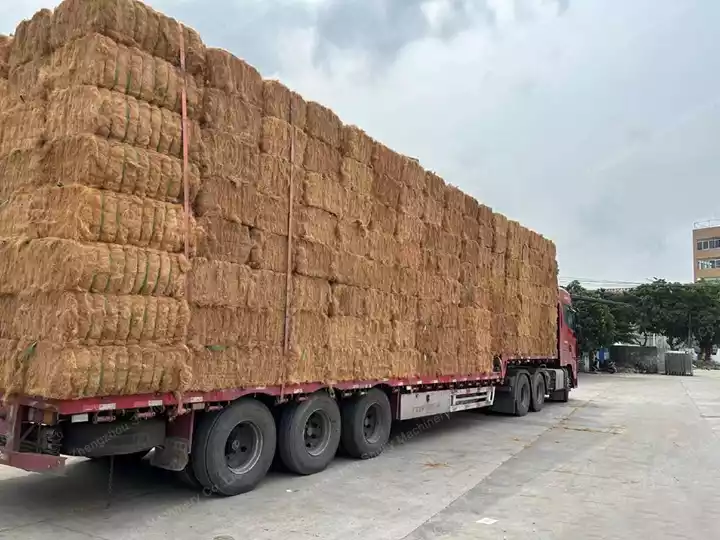
- Inefisiensi penyimpanan: Serat longgar membutuhkan 8-10 kali lipat ruang gudang dibandingkan bal
- Biaya transportasi: Kepadatan rendah berarti pengiriman sebagian besar udara
- Kompleksitas penanganan: Bahan ringan sulit dipindahkan dan dikendalikan
- Penurunan kualitas: Penyimpanan yang Tidak Tepat menyebabkan penyerapan kelembapan dan jamur
- Inefisiensi pemuatan: Pemanfaatan kontainer biasanya 30-40% dengan serat longgar
Tantangan Proses
LankaCoir Exports, didirikan pada 2005 di wilayah segitiga kelapa Sri Lanka, memproses sekitar 800 ton serat kelapa setiap tahun untuk diekspor ke Eropa, Amerika Utara, dan Asia. Perusahaan memproduksi berbagai grade produk coir:
- Serat bristle (serat panjang untuk sikat dan karpet)
- Serat bristle (serat sedang untuk tempat tidur)
- Campuran coir (serat pendek untuk hortikultura)
- Serat pith (debu untuk campuran tanah)
Latar Belakang Klien: LankaCoir Exports
Sebelum menerapkan baling mekanis, LankaCoir menghadapi tantangan logistik yang signifikan:
| Tantangan | Dampak | Biaya Bulanan |
|---|---|---|
| Ruang gudang | Diperlukan 2.400 sqm untuk inventaris 200 ton | Sewa $4.800 |
| Pengiriman kontainer | 3 kontainer diperlukan per pesanan 20 ton | Ongkos kirim $6.600 |
| Penanganan manual | 12 pekerja untuk pemuatan/pembongkaran | Tenaga kerja $3.600 |
| Kehilangan bahan | 8% kerusakan/penumpahan selama penanganan | Sampah $4.800 |
Operasi Pra-Penggilingan
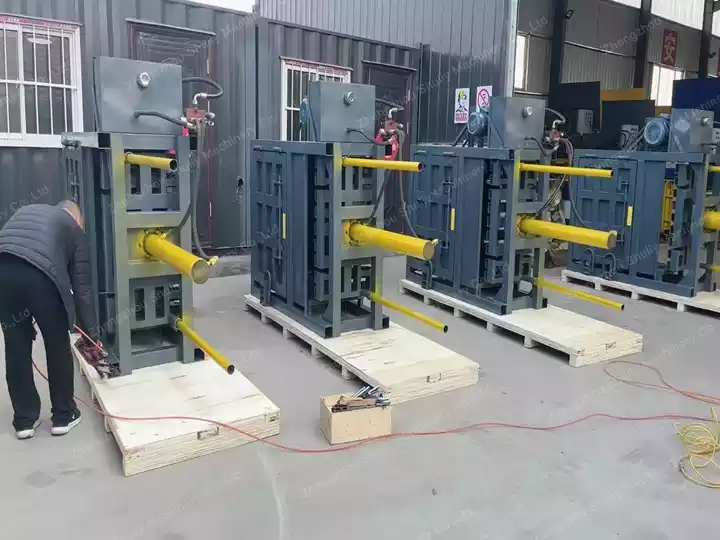
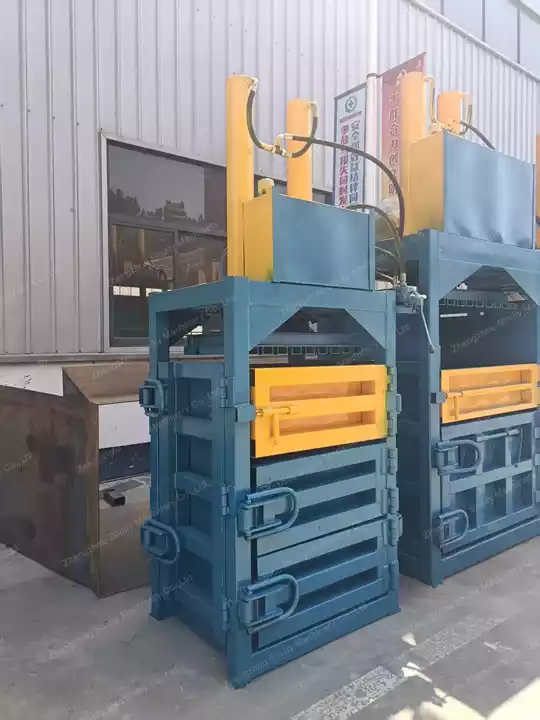
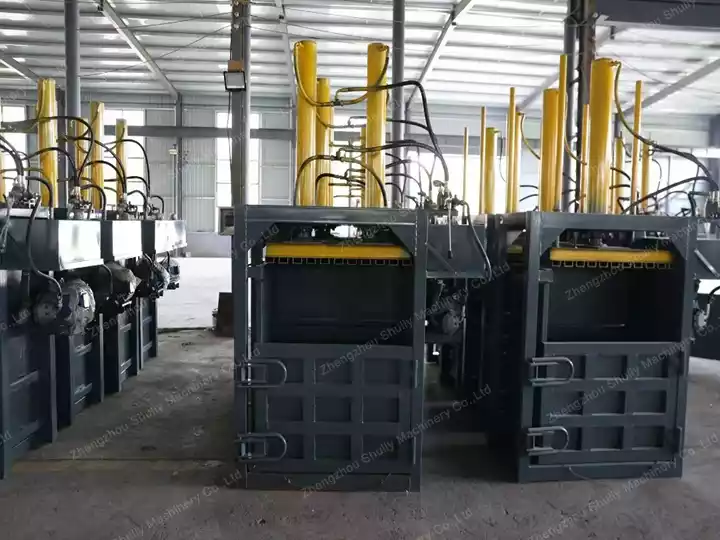
After evaluating multiple coir fiber baling solutions, LankaCoir selected our baler hidrolik vertikal system specifically configured for coconut fiber processing.
Pemilihan Peralatan dan Desain Solusi
| Peralatan | Model | Spesifikasi | Kuantitas |
|---|---|---|---|
| Baler Hidraulik Vertikal | SL60T | Tekanan 60 ton, 1,5-2 ton/jam | 2 unit |
| Sistem Pengumpan Konveyor | Khusus | Konveyor miring 3 meter | 2 unit |
| Sistem Pengikat Bal | Manual | Strap PP, 4 strap per bal | 2 set |
| Total Investasi | – | – | $18,500 |
Konfigurasi Peralatan
Itu mesin baling serat sabut was configured with specific adaptations for coconut fiber:
- Langkah kompresi yang diperpanjang: Mengakomodasi karakteristik serat ekspansi tinggi
- Desain ruang tertutup: Mengandung debu dan mencegah serat keluar selama kompresi
- Kontrol tekanan variabel: Dapat disesuaikan dari 30-60 ton untuk berbagai grade serat
- Konfigurasi dua ruang: Memungkinkan operasi berkelanjutan saat satu ruang memuat
- Pengait anti-rebound: Pertahankan tekanan selama pengikat
- Pelapisan tahan korosi: Melindungi dari minyak alami dan kelembapan
Fitur Kustom untuk Pengolahan Coir
Proses dan Hasil Baling
Itu mesin baling serat sabut achieved exceptional compression ratios with coconut fiber:
| Kualitas Serat | Kepadatan Longgar | Kepadatan Bal | Rasio Kompresi |
|---|---|---|---|
| Serat bristle | 85 kg/m³ | 420 kg/m³ | 4.9:1 |
| Serat Kelapa Coir | 95 kg/m³ | 475 kg/m³ | 5.0:1 |
| Campuran coir | 110 kg/m³ | 550 kg/m³ | 5.0:1 |
| Rata-rata | 97 kg/m³ | 482 kg/m³ | 5.0:1 |
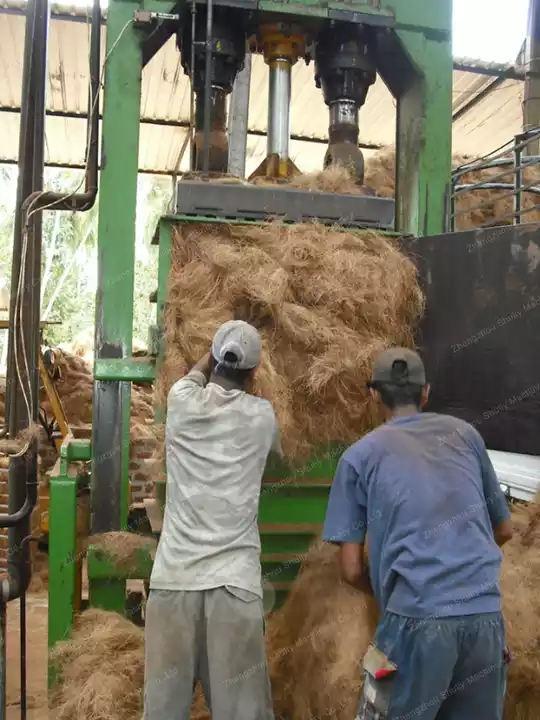
Kinerja Kompresi
| Parameter | Spesifikasi |
|---|---|
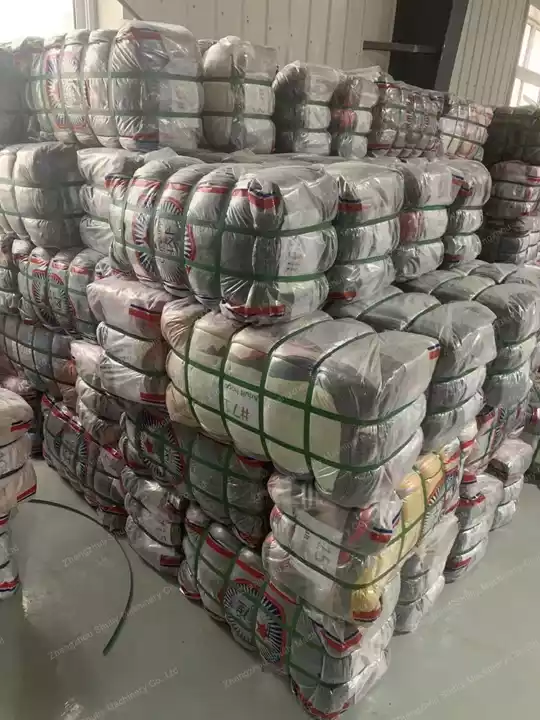
| Dimensi bal | 1800mm × 800mm × tinggi variabel |
| Berat bal | 180-220 kg (dapat disesuaikan) |
| Kepadatan bal | 450-550 kg/m³ |
| Pengikat | 4 PP strap, lebar 16mm |
| Pembungkusan | PE film opsional untuk perlindungan kelembapan |
| Laju produksi | 12-15 bal per jam per mesin |
Spesifikasi Bal
Peningkatan Operasional
Tekanan kompresi secara dramatis mengurangi kebutuhan penyimpanan:
| Metrik | Sebelum Baling | Setelah Baling | Perbaikan |
|---|---|---|---|
| Ruang per 100 ton | 1.200 sqm | 240 sqm | -80% |
| Sewa gudang bulanan | $4,800 | $960 | -$3,840 |
| Aksesibilitas inventaris | Sulit | Tumpukan yang Terorganisir | Perbaikan besar |
| Perlindungan bahan | Terpapar unsur-unsur | Bal yang dibungkus | Kualitas terjaga |
Efisiensi Penyimpanan
Baling mengubah ekonomi pengiriman:
| Metode Pengiriman Metric | Serat Longgar | Serat Berbentuk Bal | Perbaikan |
|---|---|---|---|
| Kapasitas kontainer | 8 ton | 20 ton | +150% |
| Kontainer per pesanan 20 ton | 3 kontainer | 1 kontainer | -67% |
| Biaya pengiriman per ton | $330 | $165 | -50% |
| Waktu pemuatan | 6 jam | 2 jam | -67% |
Manfaat Transportasi
- Pengurangan Tenaga Kerja: Staf pemuatan/pembongkaran dikurangi dari 12 menjadi 4 pekerja
- Efisiensi forklift: Bal standar memungkinkan penanganan mekanis secara keseluruhan
- Pengurangan kerusakan: Kehilangan bahan berkurang dari 8% menjadi 1,5%
- Keamanan pemuatan: Bal standar menghilangkan cedera angkat manual
- Pelacakan inventaris: Penghitungan bal menggantikan perkiraan volume
Efisiensi Penanganan
Dampak Keuangan
| Kategori Biaya | Sebelum | Setelah | Penghematan Bulanan |
|---|---|---|---|
| Sewa gudang | $4,800 | $960 | $3,840 |
| Pengiriman (20 ton) | $6,600 | $3,300 | $3,300 |
| Tenaga kerja (pemuatan) | $3,600 | $1,200 | $2,400 |
| Kehilangan bahan | $4,800 | $900 | $3,900 |
| Penghematan bulanan total | – | – | $13,440 |
Penghematan Biaya Bulanan
With total equipment investment of $18,500 and monthly savings of $13,440, the coir fiber baling machine achieved complete ROI in just 1.4 months. Annual savings exceed $161,000.
Pengembalian Investasi
Manfaat Kualitas dan Pelanggan
- Perlindungan kelembapan: Bal yang dibungkus menjaga kelembapan 10-12% dibandingkan 15-18% untuk penyimpanan longgar
- Pencegahan kontaminasi: Bal tertutup melindungi dari debu dan bahan asing
- Presentasi yang Konsisten: Bal standar meningkatkan persepsi pelanggan
- Inspeksi yang Lebih Mudah: Bal contoh memungkinkan verifikasi kualitas sebelum pengiriman
Peningkatan Kualitas Produk
“Serat coir yang dibaling telah mengubah operasi penerimaan kami. Sebelumnya, membongkar serat longgar memakan waktu satu hari dengan kekacauan dan limbah yang signifikan. Sekarang kami menerima bal yang rapi dan dapat ditumpuk yang dapat dibongkar dalam dua jam tanpa kehilangan. Kepadatan yang konsisten juga membantu kami merencanakan jadwal pengolahan dengan lebih akurat.”
— Mitra Impor Jerman, Pembuatan Kasur
Umpan balik pelanggan
“Kami ragu tentang investasi ini, tetapi hasilnya melebihi harapan kami. Baler membayar sendiri dalam enam minggu, dan peningkatan operasional terus memberikan nilai. Gudang kami sekarang terorganisir, biaya pengiriman berkurang setengah, dan pelanggan menghargai presentasi yang profesional. Baling mekanis sangat penting bagi pengolah coir mana pun.”
— Sanjay Fernando, Direktur Operasi, LankaCoir Exports
Pengalaman Implementasi
| Fase | Durasi | Kegiatan |
|---|---|---|
| Instalasi | 3 hari | Penempatan peralatan, sambungan listrik |
| Pengujian | 1 hari | Kalibrasi tekanan, pemeriksaan keselamatan |
| Pelatihan | 2 hari | Pelatihan operator, prosedur pemeliharaan |
| Perpindahan produksi | 1 minggu | Perpindahan bertahap dari output longgar ke bal |
| Operasi penuh | Berlangsung | Semua serat sekarang dibaling sebelum penyimpanan/pengiriman |
Garis waktu Implementasi
Pertimbangan Teknis untuk Baling Coir
Based on operational experience, these settings optimize coconut fiber processing:
- Tekanan kompresi: 50-60 ton untuk densitas maksimum tanpa kerusakan serat
- Waktu kompresi: 45-60 detik untuk densifikasi penuh
- Kelembapan serat: 10-15% optimal untuk kompresi dan stabilitas penyimpanan
- Ekspansi Tinggi: 180-220 kg untuk penanganan yang mudah
- Tegangan pengikat: Ketegangan sedang untuk mencegah pengikatan strap ke bal
Parameter Baling Optimal
Pemeliharaan rutin memastikan kinerja yang konsisten:
- Harian: Ruang bersih, periksa level cairan hidrolik
- Mingguan: Periksa sistem pengikat, pelumas bagian yang bergerak
- Bulanan: Periksa selang hidrolik, penggantian filter
- Triwulan: Analisis oli hidrolik, kalibrasi tekanan
Persyaratan Pemeliharaan
Based on this successful coconut fiber baler case implementation:
- Hitung biaya nyata penanganan serat longgar termasuk penyimpanan, pengiriman, dan limbah
- Pilih baler dengan tekanan yang cukup (minimum 60 ton) untuk kompresi coir
- Pastikan pengeringan serat yang tepat (kelembapan 10-15%) sebelum baling
- Rencanakan ukuran bal untuk dimensi palet standar dan lebar kontainer
- Pertimbangkan baler dua ruang untuk operasi berkelanjutan
- Investasikan dalam pelatihan operator yang tepat untuk keselamatan dan efisiensi
- Jaga jadwal pemeliharaan preventif yang ketat
Kesimpulan
LankaCoir Exports’ experience demonstrates that coir fiber baling machine is transformative for coconut fiber processors. The 5:1 compression ratio, combined with dramatic storage and shipping savings, creates compelling economics while improving product quality and customer satisfaction.
For coconut fiber producers facing storage constraints and high logistics costs, investing in vertical hydraulic balers offers rapid payback and sustained operational improvements. The technology transforms coir from a difficult-to-handle bulk commodity into a efficiently managed, professional product ready for global markets.
Rekomendasi untuk Pengolah Coir
- Baler Hidraulik Vertikal – Tekanan 60 ton untuk kompresi coir
- Mesin Pemotong Serat Tekstil – Untuk pengukuran serat awal
- Pembuka Serat Kapas – Untuk pembersihan dan persiapan serat
- Garis Pengolahan Lengkap – Solusi pengolahan coir terintegrasi