
Recycling cotton waste is an effective way to reduce textile waste and turn discarded materials into reusable fibers. A cotton waste carding machine plays an important role in this process by separating, opening, and aligning recycled cotton fibers.
With the right recycling equipment and processing methods, textile manufacturers can reuse cotton scraps to produce fiber materials for yarn spinning, nonwoven fabrics, filling materials, and other applications. So, how is recycled cotton fiber made from cotton waste? Let’s explore the complete process.
What Is Recycled Cotton Fiber?
Recycled cotton fiber is produced by recovering cotton from textile waste, such as fabric scraps, garment cutting waste, old cotton clothing, and leftover materials from textile factories.
Instead of sending these materials to landfills, manufacturers can process them into reusable fibers. Recycled cotton helps reduce the demand for virgin cotton, minimize textile waste, and improve resource utilization.
However, the quality of recycled cotton fiber depends on several factors, including the original material, fiber length, contamination level, and recycling equipment used.
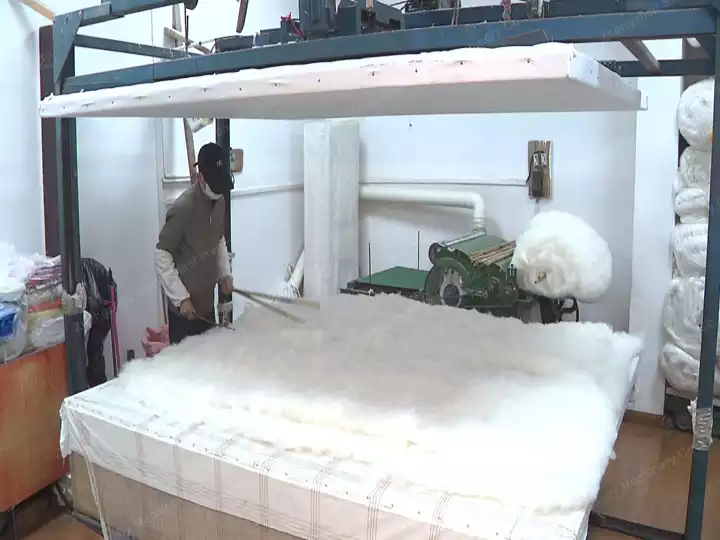
How Is Recycled Cotton Fiber Made?
The production of recycled cotton fiber generally involves several steps, from waste sorting to fiber opening and carding.
Collect and Sort Cotton Waste
The first step is to collect cotton waste from textile factories, garment manufacturers, and other sources.
Common raw materials include:
- Cotton fabric cutting scraps
- Waste cotton yarn and fabric edges
- Rejected cotton garments
- Cotton-rich textile production waste
Before processing, operators should remove zippers, buttons, metal parts, and other non-textile contaminants. Sorting materials by fiber composition and color can also help improve the consistency of the recycled output.
Cut or Pre-Open the Cotton Waste
Large fabric pieces and tightly packed cotton scraps may need to be cut or mechanically opened before entering the main recycling equipment.
This step reduces the size of the raw material and makes it easier for the machine to process the waste evenly. Depending on the material and production line, a fabric cutter or pre-opening machine may be used.
Proper preparation also helps reduce feeding problems and supports more stable operation during subsequent processing.
Open the Cotton Waste into Loose Fibers
After preparation, the cotton waste is fed into a fiber-opening machine. Mechanical rollers and opening components loosen the fabric structure and separate the material into smaller fiber tufts.
This process helps release the fibers from compacted textile scraps. The degree of opening depends on the raw material, machine configuration, and processing conditions.
Excessive mechanical action can shorten cotton fibers, so manufacturers should select suitable equipment and operating parameters according to their raw materials and final product requirements.
Use a Cotton Waste Carding Machine
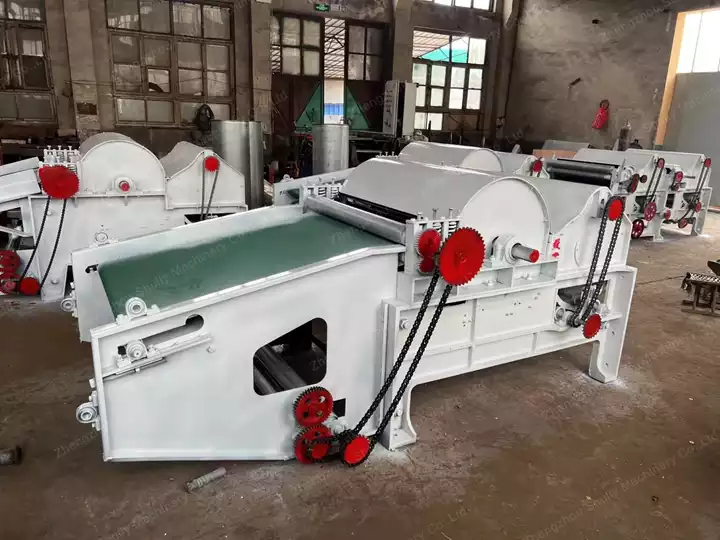
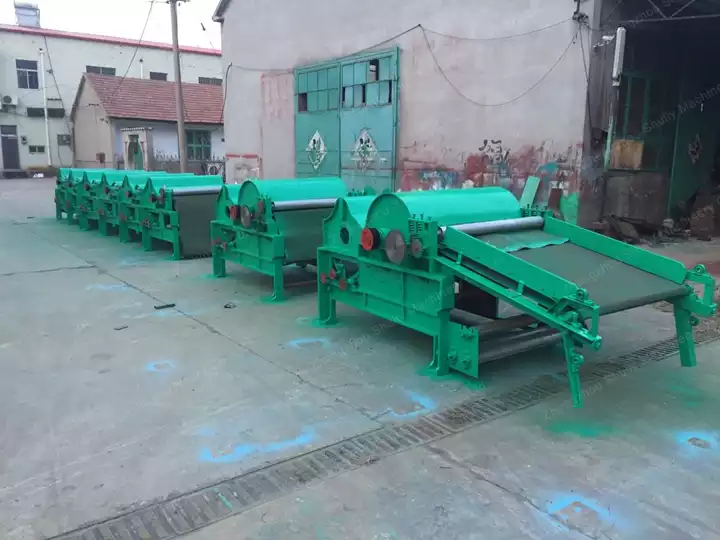
các cotton waste carding machine is a key piece of equipment for further processing opened cotton fibers.
During carding, specially designed rollers equipped with card clothing work together to separate fiber tufts, remove some remaining impurities, and arrange the fibers into a more uniform structure.
The main functions of a cotton waste carding machine include:
- Fiber separation: Further separates fiber tufts and reduces fiber clumps.
- Fiber alignment: Helps orient fibers in a more parallel direction.
- Impurity removal: Removes some remaining dust, short fibers, and other impurities, depending on the machine design.
- Fiber web formation: May form a relatively uniform fiber web for downstream processing.
The carding process improves fiber distribution and helps prepare recycled cotton for further use. However, carding alone cannot restore all damaged fibers to the original condition of virgin cotton.
Collect and Process the Recycled Fibers
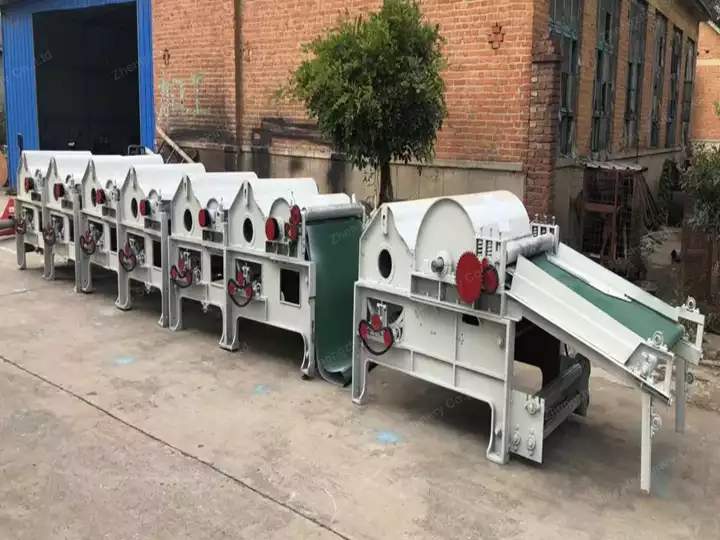
After carding, the processed fibers can be collected for further production.
Depending on the application, the next step may involve blending recycled cotton with virgin fibers or other recycled materials to achieve the required strength, appearance, and processing performance.
For yarn production, additional drawing and spinning processes may be necessary. For nonwoven products, the fibers may proceed to web formation, bonding, or other finishing processes.
The final production route depends on the fiber quality and the intended application.
What Products Can Recycled Cotton Fiber Be Used For?
Recycled cotton fiber has a wide range of applications across the textile and industrial sectors.
Yarn and textile production: Recycled cotton can be blended with virgin cotton or other fibers to produce yarn for selected textile applications.
Nonwoven fabrics: Processed cotton fibers can be used in suitable nonwoven products, depending on fiber length and cleanliness.
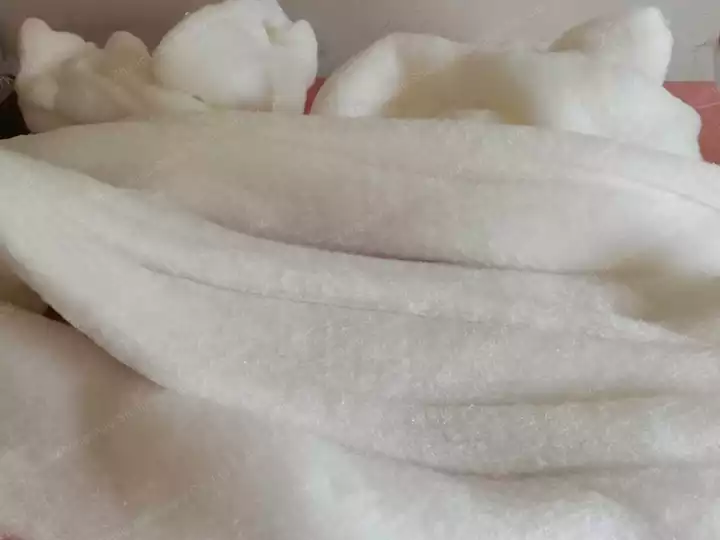
Filling materials: Recovered cotton fibers may be used as filling for cushions, mattresses, and other products where the material specifications permit.
Industrial textiles: Certain recycled cotton grades can be used in cleaning cloths, insulation-related products, and other industrial applications.
The appropriate end use depends on fiber length, strength, cleanliness, and the consistency of the recycled material.
How to Choose the Right Cotton Waste Carding Machine?
Choosing suitable equipment is essential for building an efficient cotton recycling process. Before purchasing a cotton waste carding machine, consider the following factors.
Processing Capacity
Estimate how much cotton waste your factory needs to process per hour or per day. The machine capacity should match your production requirements and the output of upstream equipment.
Raw Material Type
Different materials, such as cotton fabric scraps, waste yarn, and mixed textile waste, may require different opening and carding configurations. Confirm that the machine is suitable for your specific raw materials.
Fiber Quality Requirements
If you need recycled cotton for yarn spinning, fiber length and uniformity are especially important. For filling or certain nonwoven applications, other fiber characteristics may be acceptable.
Discuss your target product and quality requirements with the equipment supplier before selecting a machine.
Compatibility with Other Equipment
Consider whether the carding machine can work with your existing fiber-opening equipment or a complete textile recycling line. A well-matched production line can improve material flow and reduce manual handling.
Maintenance and Operating Costs
Check the durability of the carding components, the availability of replacement parts, cleaning requirements, and the machine’s power consumption. These factors affect long-term operating costs.
Why Invest in a Cotton Waste Carding Machine?
For textile manufacturers and recycling businesses, a cotton waste carding machine can help convert textile scraps into reusable fiber materials.
The main advantages include:
- Improved resource utilization: Turns suitable cotton waste into materials for further production.
- Reduced textile waste: Supports waste reduction and circular textile manufacturing.
- More uniform fiber distribution: Helps prepare fibers for downstream processing.
- Flexible applications: Processed fibers may be used in textiles, filling, nonwovens, and industrial products.
- Potential cost savings: Recovered cotton may reduce the need for virgin fiber in suitable applications, depending on material quality and processing costs.
Actual results depend on raw material conditions, equipment configuration, production scale, and the quality requirements of the finished product.
For businesses planning to recycle textile waste, selecting the right carding equipment is an important step toward building an efficient recycling operation. Evaluate your raw materials, required capacity, and final fiber applications before choosing a machine.
Looking for a suitable cotton waste carding machine for your textile recycling business? Contact our team to discuss your raw materials, production requirements, and equipment options.