
Textile recycling transforms discarded fabrics, clothing, and manufacturing waste into valuable raw materials. With over 92 million tons of textile waste generated globally each year, understanding the recycling process has become essential for businesses and environmental initiatives alike.
This comprehensive guide walks you through the complete textile recycling process—from waste collection to finished fiber products. Whether you’re planning to start a recycling business or optimize an existing operation, you’ll find actionable insights for each processing stage.
The 5-Step Textile Recycling Process
Modern textile recycling follows a systematic approach that maximizes fiber recovery while maintaining quality. The entire process typically takes 2-4 hours from raw waste to packaged fiber, depending on equipment capacity and material type.
Step 1: Collection and Sorting
The recycling journey begins with proper waste collection and classification. This foundational step directly impacts the quality of your final product.
Source Categories
- Post-consumer waste: Used clothing, household textiles, discarded garments
- Post-industrial waste: Fabric scraps, cutting remnants, defective products from textile mills and garment factories
- Commercial waste: Hotel linens, uniforms, institutional textiles
Sorting Requirements
| Sort By | Purpose | Impact on Output |
|---|---|---|
| Material type (cotton, polyester, wool, blends) | Determines processing parameters | Fiber quality and consistency |
| Color groups | Controls final fiber color | Market value of recycled fiber |
| Contamination level | Identifies cleaning needs | Processing efficiency |
| Fiber length | Sets cutting specifications | End-use applications |
Pro tip: Remove all non-textile components before processing—zippers, buttons, labels, and metal fasteners can damage cutting blades and contaminate fiber output.
Step 2: Cutting and Shredding
Large textile pieces must be reduced to manageable sizes before fiber extraction. This mechanical breakdown is crucial for efficient downstream processing.
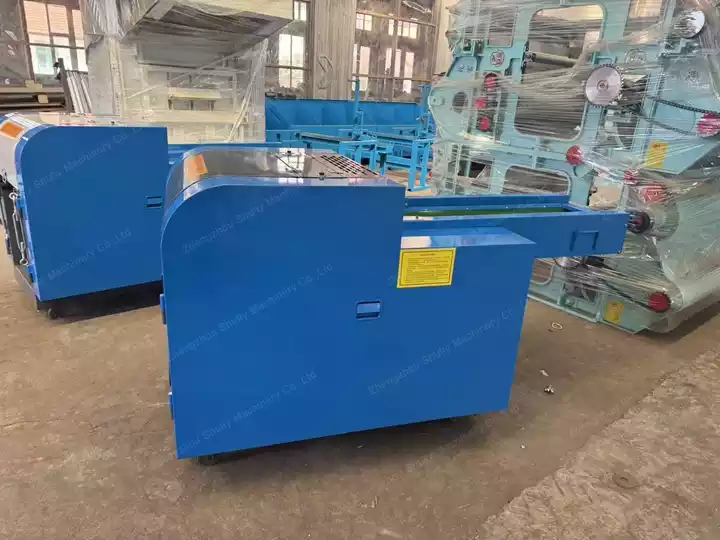
Equipment: Textile Fiber Cutting Machine
あ 繊維繊維切断機 (also called fabric shredder or cloth cutter) serves as the primary equipment for this stage. These machines use rotating blades to slice materials into uniform fragments.
| パラメータ | Typical Range | Best Practice |
|---|---|---|
| Cutting size | 3-15 cm (standard) | 5-10 cm for optimal opening |
| Blade configuration | 2 fixed + 4 rotating blades | Alloy tool steel for durability |
| Processing capacity | 500-5000 kg/h | Match to upstream collection volume |
| Power requirement | 7.5-22 kW | Depends on material density |
Key consideration: Different materials require blade adjustments. Dense fabrics like denim need more powerful cutting than lightweight cotton. Some machines offer adjustable cutting lengths—shorter cuts (1-2 cm) work best for fine fiber recovery, while longer cuts preserve fiber integrity for premium applications.
Step 3: Fiber Opening
Once materials are cut to size, the opening process separates compacted fibers and begins impurity removal. This stage transforms fabric fragments into loose, individual fibers.
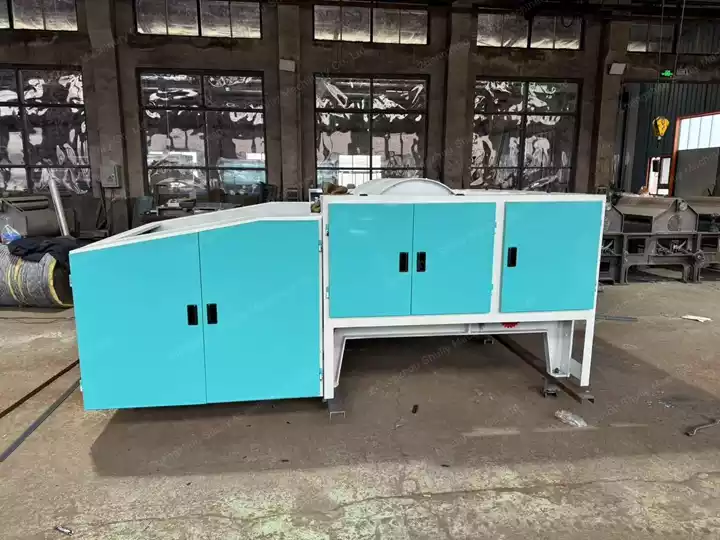
Equipment: Fiber Opener / Carding Machine
の ファイバーオープナー (also called fiber carding machine or opening machine) uses high-speed rotating drums with wire clothing to tease apart fiber bundles.
Three primary functions:
- Tearing action: Breaks apart fabric structures and yarn bundles
- Opening action: Separates individual fibers using centrifugal force
- Cleaning action: Removes dust, loose dirt, and short fiber fragments
| 仕様 | Standard Model | Performance Impact |
|---|---|---|
| Drum diameter | 500-600 mm | Larger drums = gentler fiber handling |
| Drum speed | 800-1200 RPM | Higher speed = better opening, more fiber damage risk |
| 生産速度 | 200-400 kg/h | Varies by material type and condition |
| Opening efficiency | 85-95% | Percentage of fibers successfully separated |
Material-specific settings: Natural fibers (cotton, wool) require gentler handling than synthetics. Adjust drum speed and wire density based on fiber type to minimize breakage while achieving thorough opening.
Step 4: Cleaning and Carding
The cleaning stage removes remaining impurities and aligns fibers into uniform sheets ready for end-use applications. This is the most critical quality-determining step.
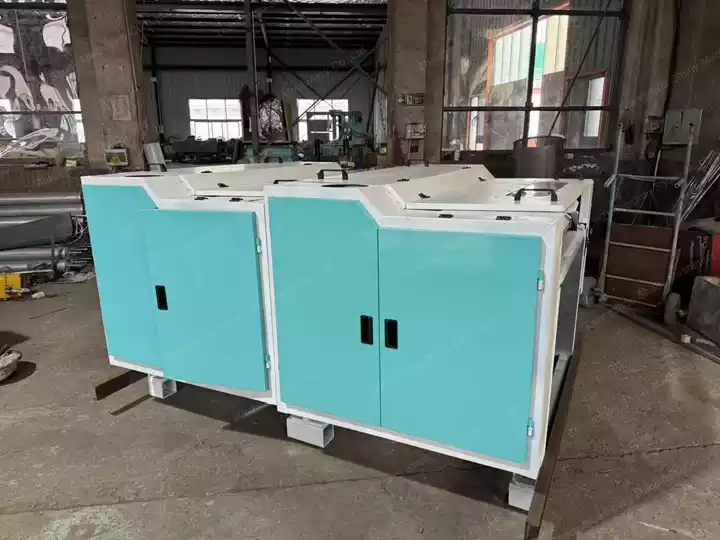
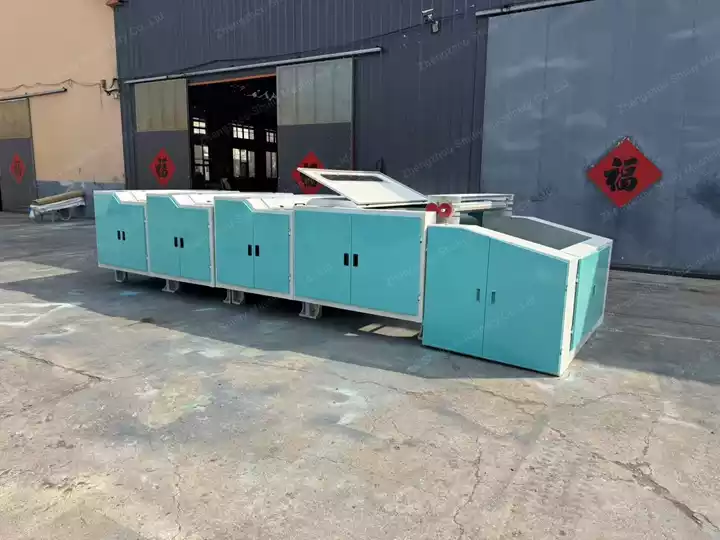
Equipment: Textile Recycling Machine (Clear Spring Machine)
あ 繊維リサイクル機械 (also called clear spring machine or cotton waste cleaning machine) combines multiple processing actions in one unit.
Multi-stage processing:
- Pre-cleaning: Removes remaining surface debris and dust
- Fine opening: Further separates any remaining fiber clumps
- Impurity removal: Extracts seeds, leaves, and heavy contaminants
- Carding: Aligns fibers parallel and forms continuous sheets
- Collection: Rolls cleaned fiber into manageable batts or sheets
| Configuration | 2-Roller | 6-Roller | Application |
|---|---|---|---|
| Processing capacity | 100 kg/h | 150-250 kg/h | Small-medium operations |
| Cleaning efficiency | Good | Excellent | High-quality output |
| Power consumption | 14 kW | 45.5 kW | Energy vs. quality trade-off |
| Best for | Pre-cleaned materials | Dirty, mixed waste streams | Material condition |
Quality indicators: Properly processed fiber sheets should be uniform in thickness, free of visible contaminants, and maintain consistent fiber alignment. The cleaned fiber is now suitable for spinning, non-woven manufacturing, or direct filling applications.
Step 5: Baling and Packaging
The final step compresses cleaned fiber into dense bales for efficient storage, transportation, and sale to downstream manufacturers.
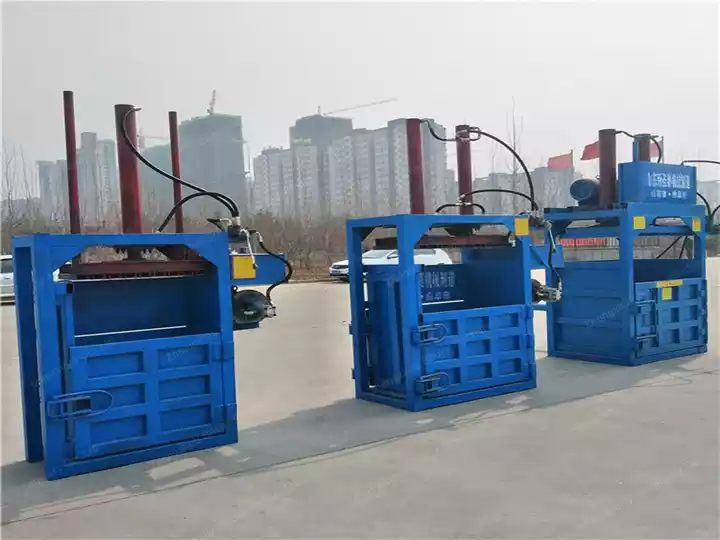
Equipment: Vertical Hydraulic Baler
あ 垂直油圧ベーラー compresses loose fiber into uniform bales using hydraulic pressure. This reduces volume by up to 80% and protects fiber quality during handling.
| Baler Model | 圧力 | Bale Weight | Best Application |
|---|---|---|---|
| SL30T | 30トン | 30-50 kg | Light textiles, small operations |
| SL60T | 60 tons | 80-120 kg | Cotton, medium-density fibers |
| SL120T | 120 tons | 200-300 kg | Heavy materials, export shipping |
Packaging benefits: Standardized bales simplify inventory management, reduce shipping costs, and meet export requirements. Most buyers prefer bales weighing 100-200 kg for easy handling with standard forklifts.
Complete Recycling Line Configuration
For operations processing more than 500 kg daily, an integrated waste fiber recycling plant combines all equipment into a continuous production line.
| Line Component | 機能 | Typical Specs |
|---|---|---|
| 繊維切断機 | Size reduction | 1000-3000 kg/h capacity |
| ファイバーオープナー | Initial fiber separation | 350-400 kg/h output |
| テキスタイルリサイクル機械 | Cleaning and carding | 150-250 kg/h finished fiber |
| Hydraulic Baler | Final packaging | 60-120 ton pressure |
Line productivity: A complete recycling line typically achieves 150-250 kg/h of finished fiber from 400-600 kg/h of input material, representing a 40-60% yield rate depending on material quality and contamination levels.
End Products and Applications
Recycled textile fiber serves multiple industries, creating value from waste streams:
| Application | Fiber Requirements | Market Value |
|---|---|---|
| Non-woven fabrics | Mixed fibers, 3-6 cm length | $0.80-1.20/kg |
| Automotive insulation | Heat-resistant blends | $1.50-2.50/kg |
| Furniture filling | Clean, fluffy fiber | $1.20-1.80/kg |
| Building insulation | Dense, uniform batts | $0.60-1.00/kg |
| Spinning yarn | Long, high-quality fibers | $2.00-3.50/kg |
| Cleaning rags | Any fiber type | $0.40-0.80/kg |
Economic Considerations
Investment Requirements
| Operation Scale | Equipment Investment | Daily Capacity | Break-even Timeline |
|---|---|---|---|
| Small (1-2 machines) | $15,000-30,000 | 200-500 kg | 8-12 months |
| Medium (complete line) | $50,000-100,000 | 1-3 tons | |
| Large (multiple lines) | $150,000-300,000 | 5-10 tons | 12-18 months |
Operating Economics
Revenue model example (1 ton/day operation):
- Raw material cost: $50-150/ton (often free from generators)
- Processing cost: $80-120/ton (labor, energy, maintenance)
- Yield: 40-60% (400-600 kg finished fiber per ton input)
- Selling price: $800-1,500/ton for finished fiber
- Gross margin: $200-600 per ton processed
Quality Control Best Practices
Maintaining consistent output quality ensures customer satisfaction and premium pricing:
Input Control
- Establish material acceptance standards with suppliers
- Pre-sort by fiber type and contamination level
- Reject materials with excessive moisture or hazardous contaminants
Process Monitoring
- Check cutting uniformity hourly
- Monitor fiber opening efficiency through visual inspection
- Test cleaned fiber for residual impurities
- Weigh bales to ensure consistent density
Output Testing
- Measure fiber length distribution
- Assess contamination levels (target: <0.5%)
- Test moisture content (optimal: 6-8%)
- Document batch characteristics for traceability
よくある質問
リサイクル可能なテキスタイル廃棄物にはどのようなものがありますか?
Most textile materials can be recycled including cotton, polyester, wool, acrylic, and blended fabrics. Natural fibers like cotton and wool typically yield higher-quality recycled fiber. Synthetic fibers require specialized handling but are equally recyclable. Materials to avoid include heavily contaminated items, those with hazardous chemical treatments, and textiles bonded with non-recyclable adhesives.
テキスタイルリサイクルビジネスを始めるのにどれくらいの費用がかかりますか?
Initial investment ranges from $15,000 for a small single-machine operation to $300,000 for a large commercial plant. A complete mid-scale recycling line with cutting, opening, cleaning, and baling equipment typically costs $50,000-100,000. Additional costs include facility space, utilities, raw material sourcing, and working capital. Most operations reach break-even within 8-18 months depending on local market conditions and material sourcing costs.
What is the yield rate for textile recycling?
Typical yield rates range from 40-60% of input weight, meaning 1 ton of textile waste produces 400-600 kg of finished recycled fiber. The exact yield depends on material type (natural fibers yield higher than synthetics), contamination level, and processing efficiency. Pre-consumer industrial waste often achieves 55-65% yield, while post-consumer mixed waste may yield 35-45% due to higher contamination and fiber degradation.
How long does the textile recycling process take?
The complete processing cycle from raw waste to finished bales takes 2-4 hours depending on material type and equipment capacity. Individual stage times: cutting (30-60 minutes per batch), opening (45-90 minutes), cleaning/carding (60-120 minutes), and baling (15-30 minutes per bale). Continuous production lines process materials simultaneously across stages, achieving throughputs of 150-500 kg of finished fiber per hour.
What equipment is needed for textile recycling?
A complete recycling operation requires four core machines: (1) Textile fiber cutting machine for size reduction, (2) Fiber opener for initial fiber separation, (3) Textile recycling machine (clear spring/cleaning machine) for final cleaning and carding, and (4) Hydraulic baler for packaging. Additional equipment may include conveyors, dust collection systems, and weighing scales. Small operations can start with just a cutting machine and baler, adding opening and cleaning equipment as volume grows.
Who buys recycled textile fiber?
Major buyers include non-woven fabric manufacturers (30% of market), automotive suppliers (20%), furniture and bedding companies (25%), building insulation producers (15%), and spinning mills (10%). Pricing varies by fiber quality and application, ranging from $400/ton for cleaning rags to $3,500/ton for premium spinning fiber. Establishing relationships with 3-5 regular buyers provides stable revenue and reduces market risk.
結論
The textile recycling process transforms environmental challenges into economic opportunities. By following the five-step workflow—collection, cutting, opening, cleaning, and baling—businesses can convert textile waste into valuable raw materials worth $800-1,500 per ton.
Success depends on selecting appropriate equipment for your material types and production volume, maintaining consistent quality standards, and building reliable buyer relationships. Whether starting small with individual machines or investing in a complete production line, the textile recycling industry offers strong growth potential as global demand for sustainable materials increases.
Ready to start your textile recycling operation? Contact our team for equipment recommendations tailored to your specific materials and production goals.