
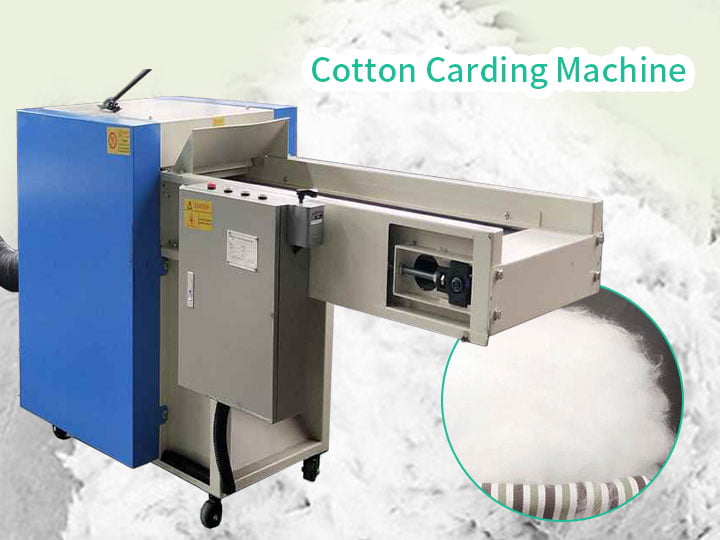
An automatic cotton carding machine (also known as fiber carding machine, cotton opening machine, or fiber opening machine) is specialized equipment designed for uniformly opening and loosening various fiber materials. This polyester fiber opening machine achieves an exceptional 100% one-time opening rate for materials including PP cotton, screw cotton, doll cotton, ordinary hollow cotton, and down cotton.
The cotton carding machine is widely applicable across multiple industries including toy factories, sofa factories, bedding factories, home textiles factories, and clothing factories. Additionally, this versatile wool opening machine effectively processes used wool, old woolen sweaters, old cotton quilts, macerated fabrics, and polyester wadding tailings. The fiber carding machine is typically paired with a fiber filling machine to create complete production lines for manufacturing plush soft textile products.
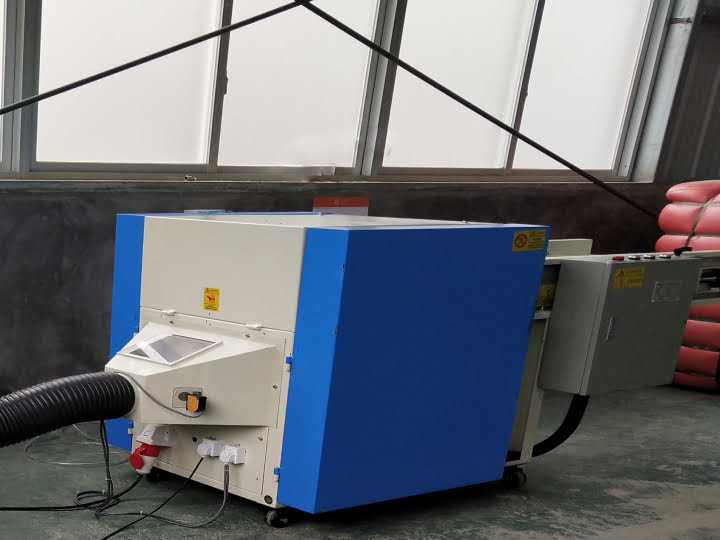
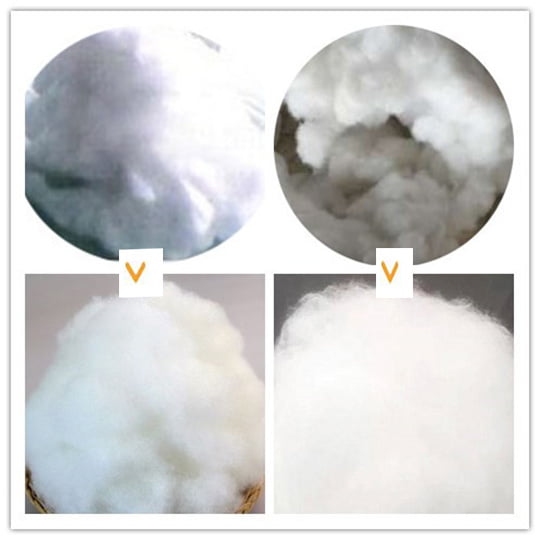
Key Features of Cotton Carding Machine
- Advanced Technology: The fiber opening machine features advanced technology with compact structure and powerful motor for efficient fiber processing
- Universal Fiber Compatibility: All kinds of staple fibers including wool, fur, polyester, PP cotton, doll cotton, hollow cotton, and down cotton can be combed and fluffed using the tension generated by gear hobbing operation
- Exceptional Opening Rate: The cotton carding machine achieves an outstanding 99%-100% opening rate, ensuring fully fluffed fiber ready for filling applications
- Fully Enclosed Design: The whole machine is fully enclosed with beautiful appearance and built-in protective devices for safe operation
- Easy Operation: Simple to operate, safe and reliable, with straightforward installation requirements
- Integrated Production: The cotton fiber opening machine can be combined with other machines to complete the opening and filling process, as well as mixing, stirring and filling between different fibers
- High-Speed Processing: Operates at 1400r/min for rapid fiber opening without damaging raw materials
Applications and Industries
The automatic cotton carding machine serves diverse manufacturing sectors:
Toy Manufacturing
Toy factories use the fiber carding machine to prepare fluffy filling material for plush toys, stuffed animals, dolls, and soft play products. The doll cotton carding machine ensures consistent fiber quality for premium toy production.
Home Furnishings
Sofa factories and bedding manufacturers rely on the cotton opening machine for preparing cushion filling, pillow stuffing, quilt filling, and mattress padding. The 100% opening rate ensures maximum fluffiness and comfort in finished products.
Home Textiles
Home textiles factories use the polyester fiber opening machine for processing decorative pillows, throw cushions, comforters, and other soft furnishings requiring high-quality fiber fill.
Clothing and Accessories
Clothing factories utilize the wool opening machine for processing wool fibers and preparing filling materials for winter garments, padded jackets, and insulated accessories.
Recycling Applications
The cotton carding machine effectively processes recycled materials including used wool, old woolen sweaters, old cotton quilts, macerated fabrics, and polyester wadding tailings, supporting sustainable manufacturing practices.
Structure and Working Principle
The automatic cotton carding machine employs precision-engineered components for optimal fiber processing:
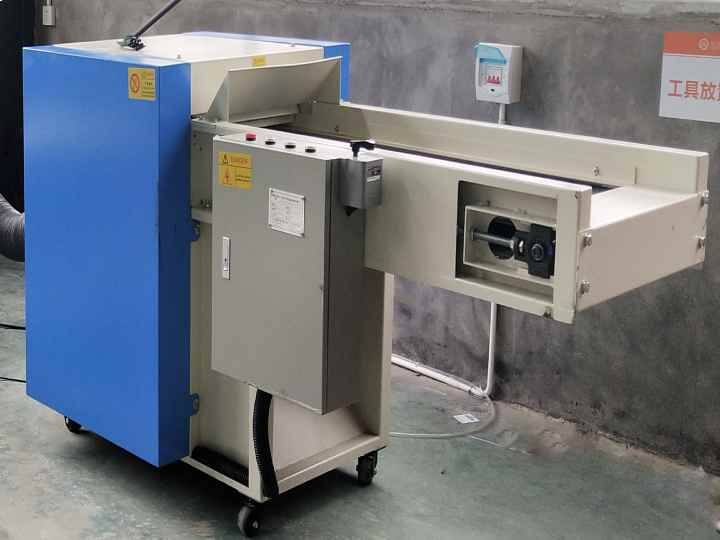
- High-Speed Opening Mechanism: The cotton fiber opening machine can loosen raw cotton more than ten thousand times from front to back at a high speed of 1400r/min. This differential rotation achieved by the big pin roll and many small pin rolls opens and loosens fibers without damaging raw materials.
- Precision Roller System: For the pin rolls, seamless steel tubes are used for grooving. Imported alloy steel rack special for combing in cotton spinning is wound around the rollers. High-speed balancing treatment on the main roller ensures an error between left and right of only 0.1-1 gram, guaranteeing smooth and steady transmission.
- Automatic Feeding System: The compound industrial belt enables automatic cotton feeding with easy and safe operation, longer continuous operation capability, and lower maintenance requirements.
- Electronic Control System: Cotton feeding and discharging are automatically controlled by electronic infrared rays. Integrated electronic box control provides overload protection and high-temperature protection for safe operation.
- Durable Construction: The fiber carding machine is made of national standard steel plate by professional sheet metal stamping, providing firm and durable properties. The electrocuting and stoving varnish finish offers longer service life than common coating, without paint removing or color change.
Technical Specifications
The cotton carding machine is available in three models (SL-1500, SL-1800, SL-2100) with different working widths and capacities to match various production requirements:
| Model | SL-1500 | SL-1800 | SL-2100 |
|---|---|---|---|
| Dimensions (L×W×H) | 1900×880×1100mm | 1900×1180×1100mm | 1900×1380×1100mm |
| Voltage | 220/380V | 380V | 380V |
| Power | 3.75kW | 4.75kW | 6.25kW |
| Capacity | 200-250kg/h | 350-400kg/h | 500-550kg/h |
| Weight | 450kg | 600kg | 750kg |
| Opening Rate | 100% | 100% | 100% |
| Best For | Small workshops | Medium factories | Large production |
Model Selection Guide: Choose SL-1500 for small workshops and startup operations. The SL-1800 suits medium-sized factories with moderate production volumes. The SL-2100 is ideal for large-scale production facilities requiring maximum output. Contact our team for personalized recommendations based on your specific requirements.
Cotton Carding Machine vs Fiber Opener
Understanding the differences between a cotton carding machine and a fiber opener helps you choose the right equipment for your application:
| Feature | Cotton Carding Machine | Fiber Opener |
|---|---|---|
| Opening Rate | 99%-100% | 85-95% |
| Best For | Cotton, PP cotton, doll cotton | Mixed fibers, waste textiles |
| Output Quality | Fully carded, fluffy fiber | Loose fiber bundles |
| Applications | Pillow filling, toy stuffing | Initial recycling processing |
| Speed | 1400r/min high speed | Standard speed |
| Price Range | Moderate investment | More affordable |
Choose a cotton carding machine when you need fully carded, fluffy fiber for high-end filling applications like pillows, toys, and bedding. Choose a fiber opener for initial processing of mixed waste textiles in recycling operations.
Who Needs a Cotton Carding Machine?
Our automatic cotton carding machines serve businesses worldwide:
- Toy Manufacturers: Companies producing plush toys, stuffed animals, and soft dolls requiring consistent fluffy filling material
- Sofa and Furniture Factories: Manufacturers producing upholstered furniture requiring cushion and backrest filling
- Bedding Product Manufacturers: Factories producing pillows, quilts, comforters, and mattress toppers
- Home Textile Brands: Companies manufacturing decorative pillows, cushions, and soft home accessories
- Recycling Enterprises: Businesses processing used textiles, wool, and cotton waste into reusable fiber
- Small-Scale Workshops: Family businesses and small operations entering the fiber processing market
How to Operate the Polyester Fiber Opening Machine
Follow these steps for safe and efficient operation of your cotton carding machine:
- Startup Procedure: Press the start button on the cotton carding machine to turn on the main power supply. The reversing switch controls the conveyor belt for automatic forward and backward movement.
- Belt Adjustment: If the conveyor belt deviates, adjust the tension levers. Tighten the left adjustment lever and slightly loosen the right when the belt moves left. Reverse this when the belt moves right.
- Material Feeding: Do not put any hard objects into the machine to avoid damaging roller gears and affecting the opening rate.
- Safety Precautions: It is strictly prohibited to touch any transmission parts, fire-opening machine rollers, or other parts in operation. Never reach hands to the cotton press roller for feeding cotton.
- Output Management: The opened and loosened cotton fiber at the back end should be timely removed and placed aside or conveyed to the cotton-filling machine. Never allow material to stack in the machine, which can block rollers and damage the motor.
Maintenance Guide for Cotton Carding Machine
Proper maintenance ensures optimal performance and extends the service life of your fiber carding machine:
- Daily Cleaning: Remove accumulated fiber and dust from the machine after each shift. Clean the feeding area, roller surfaces, and discharge area
- Weekly Inspection: Check all bolts and fasteners for tightness. Inspect pin rollers for wear or damage. Check belt tension and alignment
- Pin Roller Maintenance: The alloy steel rack on rollers requires periodic inspection. Replace when teeth become worn to maintain 100% opening rate
- Bearing Lubrication: Apply grease to all bearings according to the maintenance schedule (typically every 500 operating hours)
- Electronic System: Check electronic infrared sensors and control box connections periodically. Ensure overload and temperature protection systems function correctly
- Motor Maintenance: Keep the motor clean and ensure proper ventilation. Check electrical connections and amperage draw
- Conveyor Belt: Inspect the compound industrial belt for wear. Adjust tension as needed to prevent slippage
Complete Pillow Filling Production Line
The cotton carding machine is often integrated into a complete pillow filling production line:
- Step 1 – Opening: Cotton carding machine opens and fluffs raw fiber material to 100% opening rate
- Step 2 – Conveying: Opened fiber is automatically conveyed to the filling station
- Step 3 – Filling: Fiber filling machine blows fluffed fiber into pillow shells, cushions, or toys
- Step 4 – Finishing: Filled products are sewn closed and packaged for shipment
This integrated workflow maximizes efficiency and ensures consistent product quality for pillow, cushion, and toy manufacturing operations.